Identity
-

“Being proud is a damning thing for the identity. Why? When you are proud for who you are, rather than what you can do, then you are the one who would favor the value of a book cover, instead of the interior pages. You would be the prejudiced one to consider the exterior’s worth over…
-

“An excuse can be set for the matter in which one feels prideful, when one has committed no action for the feeling of it. It would be the foulest of sensations to boast, especially within earshot of those aided, of the noble actions one has taken in the name of self-sacrifice.” Modern Romanticism For nobility,…
-

Everything. It depends on the eyes. What do you see, when you look at myself? What do the Autumn leaves comprehend of Autumn? What do the fallen understand of the beauty in that arrangement of colors? Fire is what leaves a trail of decay. Scattered debris, a teeming season of fossils, as you can indeed…
-

Love for the self does not dig deep, for no person can empathize with themselves. If one has no comprehension for what one struggles with, then this supposed “self-love” will linger upon the exterior, because it is the same as finding comfort in deception. Deception or self-deception, with the latter being the chosen usage of…
-
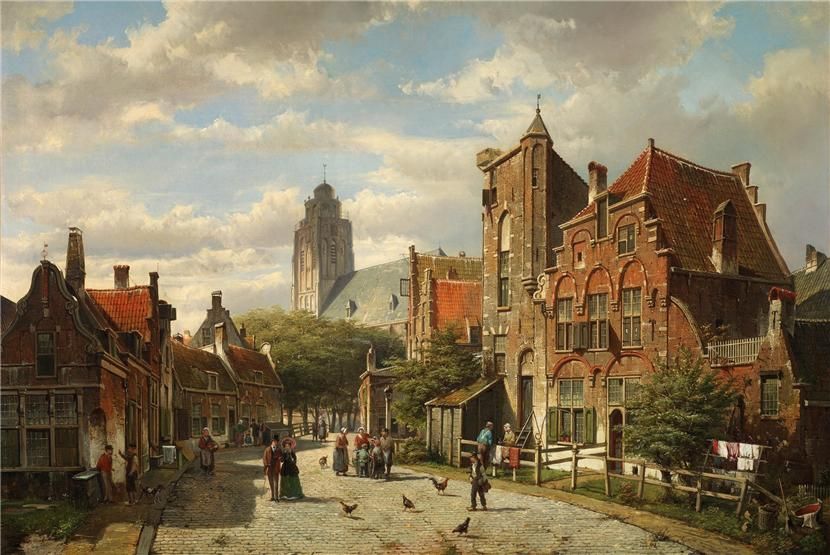
“Sinister is the one who gains a high on their own self, while their actions are left to the negligence of others. To be proud for identity is no different than your average historical dictator, who through his own pride to his idealist nature, found that others shamed what he did which either was to…
-
“Written in the ways of purism, is the idea that one blood is inferior, or lacking in quality, over another. To base politics around race, around gender, around creed, is to recede to the aristocracy mentality, though swapped. It is to say that impurity is purity. Perhaps it is that we are all the same,…
-
“The identity is the appearance. The action is the deed. Can we recognize the hero by their looks, or by their actions?” – Modern Romanticism
-
“Could one know a person beyond the surface? Of course. Then, why make it a priority to discuss the surface? Why make it a priority to discuss race? Why not make it a priority to discuss something deeper? Something of culture, something of history, being the things that one could identify or relate to another…
-
“There is a statement: to be proud for what you can do, and to be humble for who you are. Though, what if this was reversed? What if people were proud for who they are, and they were humble about what they can do? Does this not feed into negligence for actions, and then also…
-
“Humanity is always beneath Hell. Were a human to express humanity for its own sake, we’d all be God. We’d all be one. We’d have no need to divide, based on that Hell, based on what we don’t see. Hell is something constructed atop humanity. It is because a person’s pain extends into their actions…
-
“Pride, in terms of identities, has only influence in egotism. For what is pride, in terms of identity? It is the pain of an individual, for each person’s beginning is saturated in the pain of labor. Work caused the blood to spill from the hands, by way of the creation to a foundation, while further…
-
“Where one should be proud for their deeds, one should be humble for what such actions make the committed person.” – Anonymous It is true in the statement that pride is meant for action, for deeds, for the noble actions that were held of having no choice. One can be internally proud as a hidden…
 Modern Romanticism